


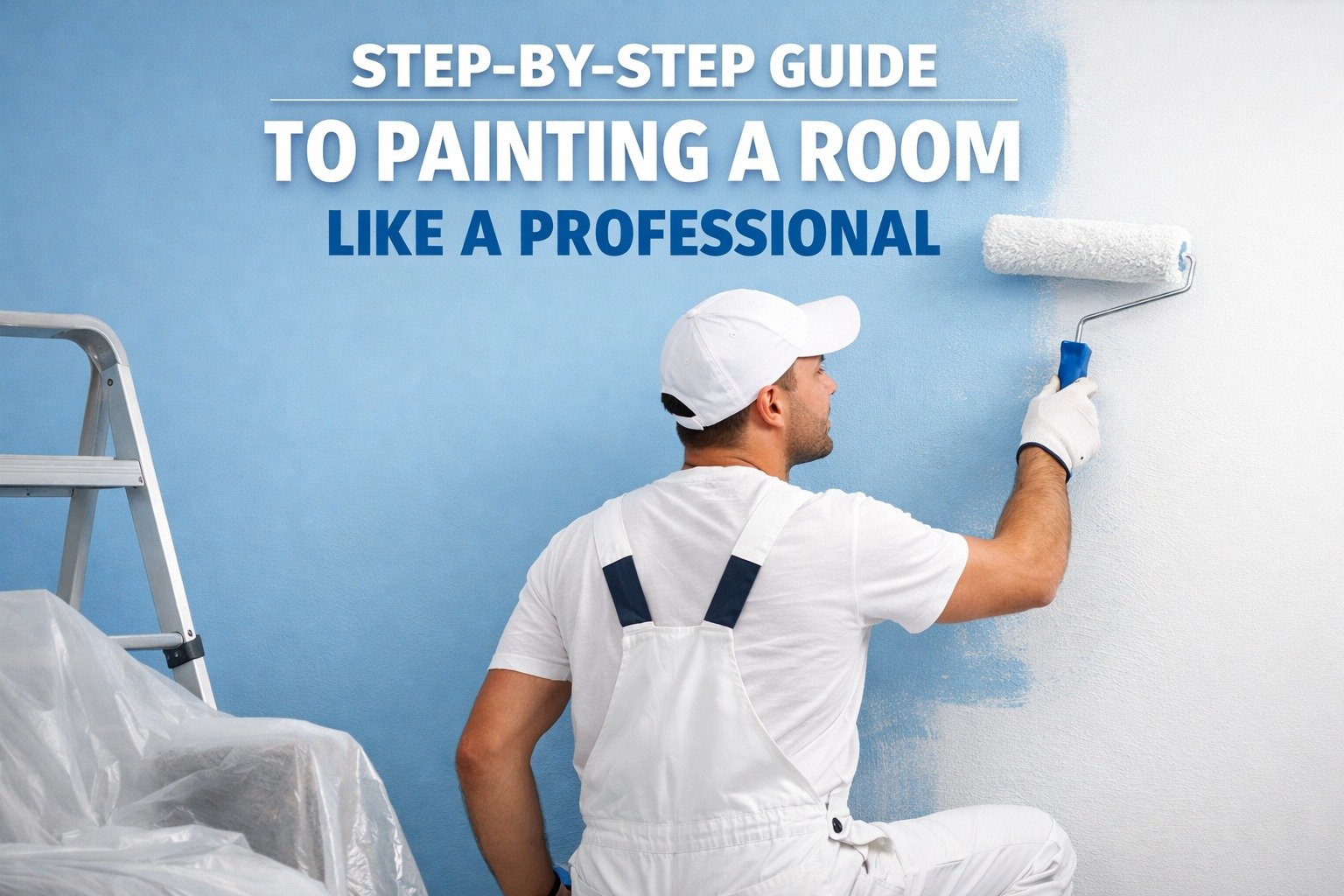
Painting a room may seem simple, but professional painters follow a specific process to achieve smooth, long lasting results. If you follow the same approach, you can dramatically improve the quality of your DIY painting project.
Here is a simple step by step guide to help you paint like a pro.
Step 1: Gather the Right Tools
Before you start, make sure you have all necessary materials ready.
Essential tools include:
- Paint rollers and trays
- High quality brushes
- Painter’s tape
- Drop sheets
- Sandpaper
- Primer and paint
Using professional quality tools from Discount Paints can make the entire process easier and produce better results.
Step 2: Prepare the Room
Preparation is the foundation of a successful paint job.
Remove furniture or move it to the centre of the room and cover it with drop sheets. Protect floors with plastic or canvas sheets.
Clean the walls to remove dust, grease, and dirt.
Step 3: Repair and Sand the Walls
Inspect walls for holes, cracks, or dents.
Fill any imperfections with filler and sand the surface until it is smooth. This step helps the paint adhere properly.
Step 4: Apply Painter’s Tape
Tape around:
- Window frames
- Door trims
- Light switches
- Baseboards
This creates clean edges and protects areas you do not want painted.
Step 5: Apply Primer
Primer improves paint adhesion and helps achieve even colour.
Primer is especially important if:
- You are painting over dark colours
- Walls have stains
- The surface is new drywall
Step 6: Start with the Edges
Professional painters start by “cutting in” around edges using a brush.
Paint around:
- Corners
- Trim
- Ceiling edges
This allows you to roll paint smoothly over the main wall surfaces afterward.
Step 7: Use a Roller for Large Areas
Roll paint in a “W” or “M” pattern to distribute paint evenly across the wall.
Work in small sections and maintain a wet edge to prevent visible lines.
Step 8: Apply Multiple Coats
Most rooms require at least two coats of paint.
Allow the first coat to dry completely before applying the second coat.
Step 9: Remove Tape Carefully
Remove painter’s tape while the paint is slightly dry but not fully hardened. This helps avoid peeling.
Step 10: Clean Up and Inspect
Check for missed spots or uneven areas and touch them up.
Clean brushes and rollers immediately so they can be reused for future projects.
Final Thoughts
Painting a room like a professional comes down to preparation, patience, and using the right materials. With proper planning and quality products, even DIY painters can achieve smooth and durable results.
For expert advice, colour matching, and professional painting supplies, visit Discount Paints or speak with their team to find the right products for your next project.